


Understanding OFAC Red Flags Key Indicators for Compliance Efforts
In today’s globalized economy, businesses must navigate a complex web of regulations, particularly when it comes to complying with U.S. sanctions enforced by the Office of Foreign Assets Control (OFAC). Identifying OFAC red flags is essential for organizations to mitigate risks associated with sanctions violations and maintain robust compliance programs. For more insights on this topic, visit OFAC red flags https://dennisjernigan.com/media/pgs/?ofac-red-flags-what-to-watch-for.html.

What is OFAC?
The Office of Foreign Assets Control (OFAC) is a division of the U.S. Department of the Treasury that administers and enforces economic and trade sanctions against targeted foreign countries and regimes, terrorists, international narcotics traffickers, and those involved in activities related to the proliferation of weapons of mass destruction. OFAC compliance is critical for U.S. companies and foreign entities that conduct business with or within the United States.
The Importance of Identifying OFAC Red Flags
Identifying OFAC red flags is essential for organizations to avoid potential violations and the significant penalties that may arise. Non-compliance can lead to substantial fines, criminal charges, and reputational damage. Therefore, understanding these red flags helps organizations develop effective due diligence processes and compliance frameworks.
Common OFAC Red Flags
Here is a list of common red flags that companies should be vigilant about in their operations:
1. Unusual Payment Methods
If a client requests to make payments through unconventional channels, such as cash or cryptocurrency, it might raise a red flag. Legitimate businesses typically use standard payment methods, and unusual requests should prompt further investigation.
2. Complex Ownership Structures
Entities that have intricate or opaque ownership structures can indicate a higher risk of sanctions evasion. It’s crucial to conduct thorough due diligence to understand the ultimate beneficial owners of a company.
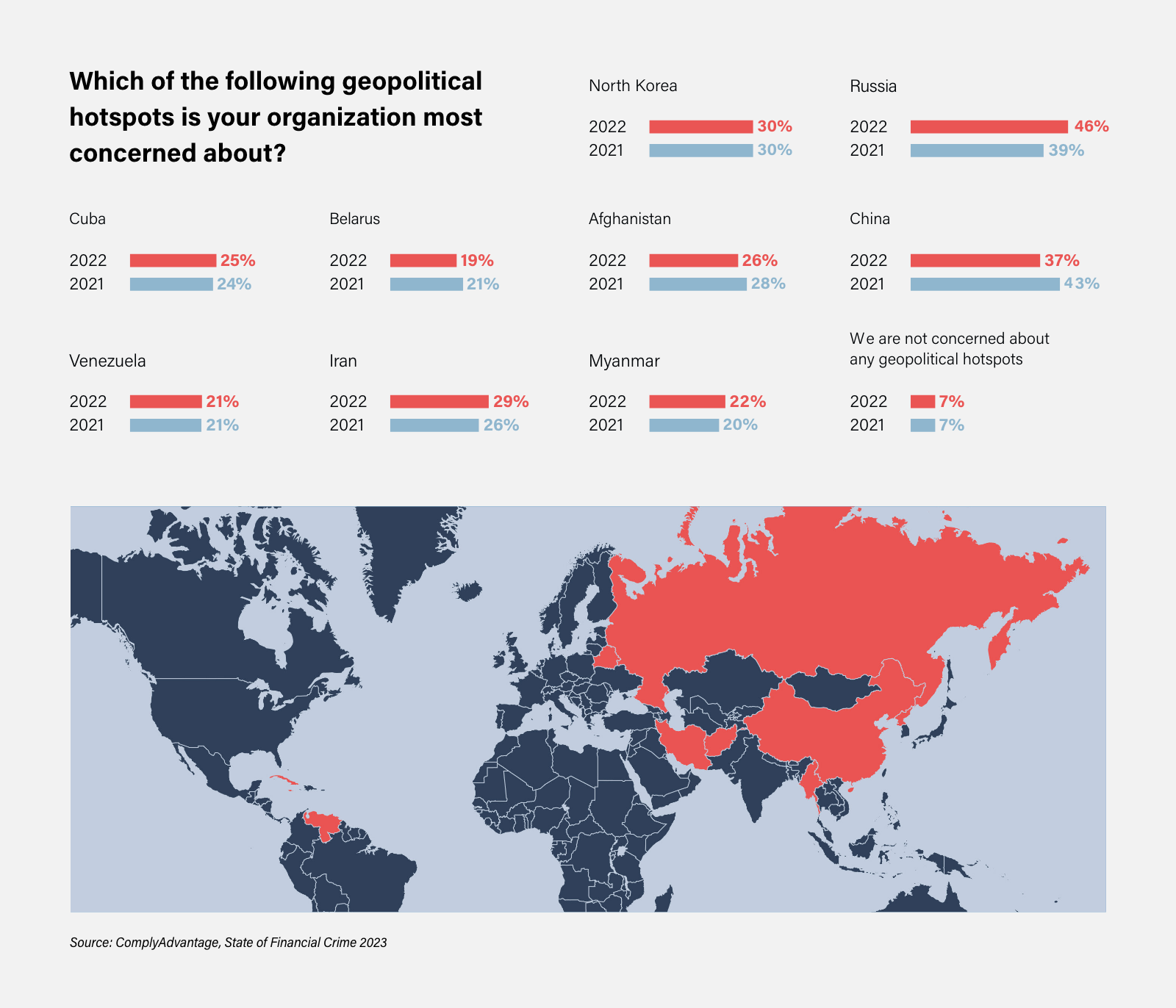
3. High-Risk Jurisdictions
Transactions involving countries known for high levels of sanctions or financial secrecy pose greater risks. Businesses should have policies in place that limit or scrutinize dealings with high-risk jurisdictions, especially if they have a history of sanctions violations.
4. Incomplete or Inaccurate Documentation
Documentation that lacks clarity, is incomplete, or contains inaccuracies can indicate potential compliance issues. Always verify that all documentation meets the required standards and that information is consistent across all platforms.
5. Inconsistent Transaction Patterns
A sudden spike in transaction volume without clear justification can be a red flag. Regular monitoring of transaction patterns can help identify potential issues early.
6. Use of Shell Companies
Shell companies, which exist only on paper and have no real operations, are often used to disguise illegal activity. Businesses should be cautious when dealing with such entities, especially if they transact with high-risk jurisdictions.
7. Business Relationships with Sanctioned Parties
Engaging or having connections with individuals or companies known to be on the OFAC sanctions list is a clear red flag. Regularly updating your screening processes to include the latest listings is vital.
Implementing Effective Compliance Measures
To deal with OFAC red flags effectively, organizations should implement robust compliance measures that include:
1. Comprehensive Compliance Programs
Developing a comprehensive compliance program tailored to the specific risks of your industry is crucial. This should encompass employee training, risk assessments, and continuous monitoring.
2. Regular Training and Updates
Ensure that all employees are regularly trained on OFAC regulations and red flags. Compliance training should be updated frequently to reflect the latest developments in sanctions and regulations.
3. Due Diligence and Monitoring Systems
Incorporate due diligence processes to assess the legitimacy of your clients and partners. Implement monitoring systems that flag unusual transaction activities or patterns for review.
4. Engaging Compliance Experts
Consider engaging legal counsel or compliance specialists who specialize in OFAC regulations to help develop and implement effective compliance strategies tailored to your needs.
Conclusion
Understanding OFAC red flags is not just about avoiding penalties; it’s about fostering a culture of compliance and integrity within your organization. By proactively identifying and responding to these red flags, businesses can safeguard themselves against the complex landscape of international sanctions and build a reputation of trustworthiness in their dealings. Staying informed, implementing stringent compliance measures, and adapting to changing regulations will ultimately benefit any organization operating in the global marketplace.