


Understanding How to Check the Interpol Wanted List 1489324801
Understanding How to Check the Interpol Wanted List
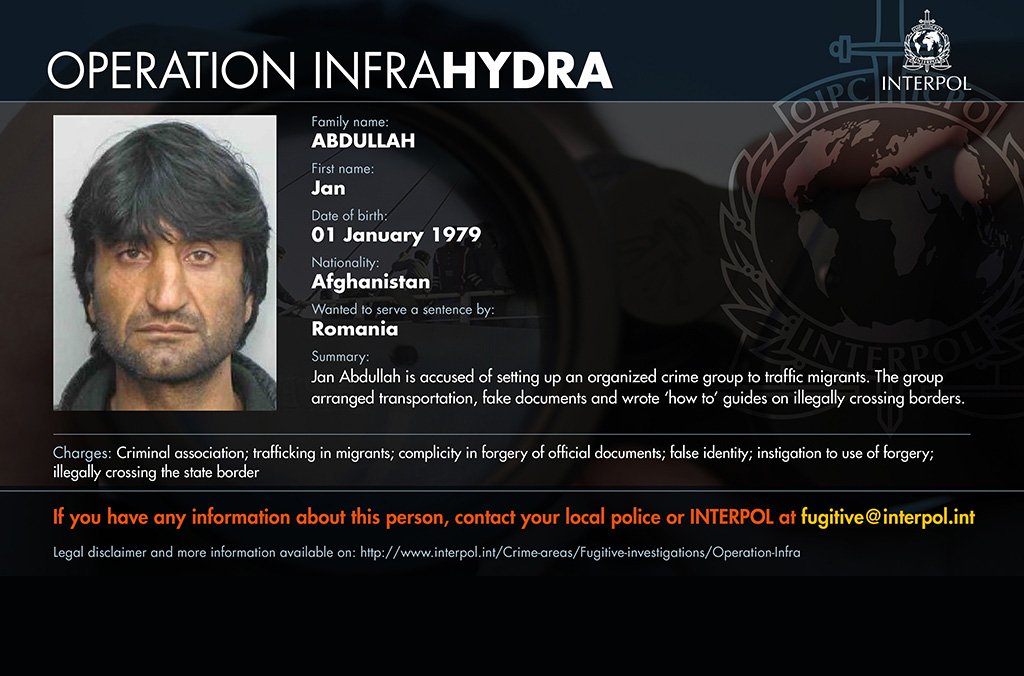
In our increasingly globalized world, the need for cooperation in law enforcement across borders has never been more critical. One important tool in this international collaboration is the Interpol wanted list. check Interpol wanted list to stay updated on individuals who are subject to arrest warrants issued by national police. This list plays a crucial role in helping nations identify and apprehend fugitives who pose a threat to public safety.

What is Interpol?
The International Criminal Police Organization, commonly known as Interpol, is an international organization that facilitates cooperation among police forces from various countries. Founded in 1923, its primary purpose is to assist in the investigation and prevention of transnational crime. Interpol does not have its own law enforcement agents, but it provides vital support in terms of databases, intelligence sharing, and communication among member countries.
Understanding the Interpol Wanted List
The Interpol wanted list is a database that contains details about individuals wanted by national jurisdictions for prosecution or to serve a sentence based on a valid court conviction. This list is crucial for global policing efforts, allowing for the identification and apprehension of fugitives who may try to evade justice by crossing borders. The wanted persons may be involved in various criminal activities, including terrorism, drug trafficking, human trafficking, and other serious crimes.
How the Interpol Wanted List Works
When a country issues an arrest warrant for an individual, it can request Interpol’s assistance in notifying police agencies across the globe through what is known

as a “Red Notice.” A Red Notice doesn’t serve as an international arrest warrant but alerts member countries that a person is wanted and provides details about the charges and the legal basis of the request.
Types of Notices
Besides the Red Notice, Interpol issues various types of notices to facilitate international law enforcement efforts. Some of the key notices include:
- Blue Notice: Used to collect information about a person’s identity or activities in relation to a crime.
- Green Notice: Provides warnings and criminal intelligence about a person who has committed a criminal offense and is likely to repeat it in another country.
- Black Notice: Seeks information about unidentified bodies.
- Yellow Notice: Aids in locating missing persons, often minors, or to help identify individuals who are unable to identify themselves.
How to Check the Interpol Wanted List
Checking the Interpol wanted list can be done easily through the official Interpol website. Users can search for wanted persons by name, country, or even crime type. The database is regularly updated to reflect the status of wanted individuals. Here are the steps to follow when checking the list:
- Visit the official Interpol website.
- Navigate to the “Notices” section where the wanted persons’ information is displayed.
- Use the search function to input relevant details such as name, nationality, or crime.
- Review the search results to find specific individuals.
The Importance of the Interpol Wanted List
The significance of the Interpol wanted list cannot be overstated. It serves several key purposes:
- Enhancing Public Safety: By providing real-time information about dangerous individuals, the list helps local law enforcement agencies protect communities.
- Facilitating International Cooperation: The list promotes collaboration among nations, enabling police to share vital information and track fugitives across borders.
- Encouraging Reporting: Access to this information encourages citizens to report sightings or information about wanted individuals, further enhancing police efforts.
Challenges and Limitations
While the Interpol wanted list is a powerful tool, it does face various challenges. The effectiveness of the list relies heavily on the willingness of member countries to cooperate. In some instances, political considerations may prevent a country from arresting an individual based solely on Interpol notices. Additionally, not all wanted individuals are necessarily dangerous criminals; there could be cases that involve political dissent or other non-violent offenses.
Conclusion
In summary, the Interpol wanted list is an integral component of international law enforcement’s efforts to maintain security and prevent crime across borders. By understanding how to check the Interpol wanted list, individuals and law enforcement can play a role in supporting these initiatives. Awareness and vigilance contribute to the safety of communities worldwide, highlighting the importance of global cooperation in combating crime.